In a quietly powerful Instagram reel, pediatrician Dr. Yoshi Rothman addresses one of the most controversial questions in modern healthcare: why some pediatric practices choose not to see unvaccinated families. In the reel that he shares, the doctor isn’t defensive, or condescending, but he’s definitely triggered (for lack of a better term). He’s firm. This scenario so accurately represents the growing shift in pediatric medicine – one that sits at the intersection of ethics, public health, and personal freedom.
View this post on Instagram
For many families, especially in the post-pandemic era, vaccination has become more than just a health decision. It’s a cultural signal, a political statement, even a source of identity. But for pediatricians, it remains what it’s always been: a crucial tool to prevent suffering, hospitalization, and death in children. And when some families opt out of routine childhood vaccinations, be it for personal beliefs, misinformation, or distrust in the system, doctors are left with an impossible choice. Do they continue seeing patients who may put others at risk? Or do they draw a line?
Many of today’s pediatricians choose the latter approach, and their reasoning is more nuanced than critics might expect. It’s not about shaming or excluding parents. It’s about protecting other kids. In any given pediatric office, there are newborns too young to receive vaccines, children with immune disorders, or babies just starting their vaccine schedules. These are the patients most vulnerable to measles, pertussis, and other diseases that vaccines have long kept at bay. And when an unvaccinated child enters that space, the risk increases, not just for that child, but for everyone around them.
It’s not theoretical. In recent years, pockets of the United States have seen the return of once-rare illnesses, often starting in communities with low vaccine uptake. In 2019, the CDC reported the highest number of measles cases in nearly 30 years, with outbreaks linked to unvaccinated groups. Pediatric offices, full of coughing, sneezing, toy-sharing children, are perfect storm environments. A single unvaccinated visit can have ripple effects.
This isn’t a decision doctors make lightly. Ethically, the doctor-patient relationship is built on trust, compassion, and non-discrimination. And for many pediatricians, turning away a family, even respectfully, feels like a failure of that mission. But the equation changes when one patient’s decision puts others at direct risk. Herd immunity, the idea that high vaccination rates protect the vulnerable, only works if the herd holds. When enough people opt out, the system begins to break down.
Still, it’s important to note that this isn’t a universal policy. Many pediatricians continue to care for unvaccinated patients, especially when they believe there’s room to build trust and eventually shift beliefs. Some see dismissal as a last resort, after multiple failed conversations. Others, like the doctor shown in this reel, make the decision upfront, to protect not only the physical safety of their practice, but the emotional integrity of their team. For clinicians who dedicate their lives to prevention, watching preventable diseases spread is more than frustrating, it’s demoralizing.


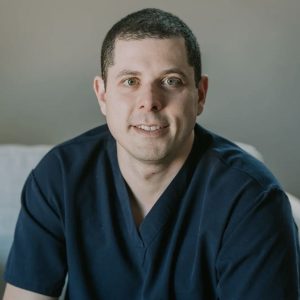


Of course, for the families being dismissed, the experience can feel like rejection. Some parents interpret the refusal as judgment or discrimination. Others double down on their beliefs. That’s why communication is key. In the instance, the doctor truly believes his first responsibility is to those who cannot protect themselves, which is why he makes vaccination mandatory and a clinical rule.
Healthcare is built on relationships, but also on boundaries. Doctors have to make decisions every day about what’s safe, what’s responsible, and where lines must be drawn. Refusing care is never easy. But in this case, for some pediatricians, it’s not about closing doors. It’s about keeping the clinic a safe place for every child who walks in. Even when that means saying no.