
When Patients Think You’re Rich and the System Knows You’re Replaceable
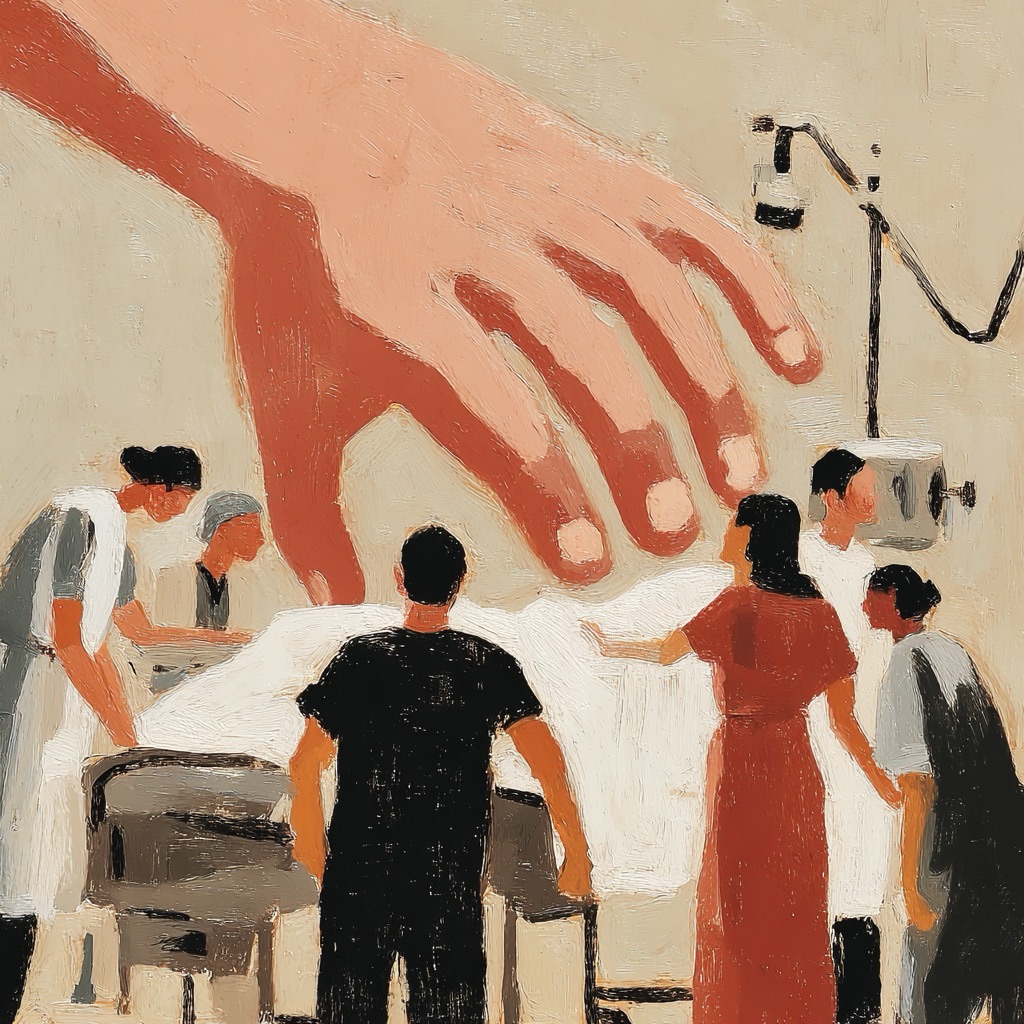
Physician compensation reality is more complex than public perception. A look at the gap between how doctors are viewed financially and how institutions actually treat them.

Physician compensation reality is more complex than public perception. A look at the gap between how doctors are viewed financially and how institutions actually treat them.

An insurance company denied a claim over a code never used, then recommended the code already submitted. Ninety minutes of healthcare’s version of Who’s on First? reveals the invisible work of navigating the system.

Americans spend trillions on healthcare, yet doctors and hospitals are reconsidering insurance contracts. What happens when coverage no longer guarantees access?

As fewer physicians own their practices, employers increasingly control the infrastructure around physician work. The next chapter of autonomy may depend on physicians building professional assets of their own.

How much healthcare work exists simply to interact with other healthcare work? A look at prior authorization, denials, appeals and the costly machinery surrounding patient care.

Physicians remain medicine’s clinical experts, yet many have lost authority over how care is delivered. What happened to physician autonomy, agency, and leverage?

Online health websites can look remarkably medical. But scientific language, polished design, and clinical imagery cannot guarantee that the product behind them is safe, authentic, or regulated.

What happens when the words physicians need to educate patients, discuss disease, and share expertise are treated as intellectual property? A look at who gets to own medical language, and what that means for doctors trying to communicate.

Forty percent of physicians now do paid work outside their regular hours. Explore why side ventures are reshaping physician income, autonomy, and identity.

Many patients don’t realize private practice is still an option. Here’s why physician visibility matters, how healthcare consolidation changed patient choice, and why independent practices deserve to be seen.
Mark Cuban’s claim that physicians are underpaid sparked a far broader conversation about autonomy, liability, burnout, reimbursement, and what doctors believe has changed most about modern medicine.

A physician explains why Medicare’s physician payment system is structurally designed to reduce reimbursement over time, why the proposed same-day E/M payment cut misses the bigger problem, and what reform could preserve patient access to independent physicians.
Physician compensation reality is more complex than public perception. A look at the gap between how doctors are viewed financially and how institutions actually treat them.
An insurance company denied a claim over a code never used, then recommended the code already submitted. Ninety minutes of healthcare’s version of Who’s on First? reveals the invisible work of navigating the system.
Americans spend trillions on healthcare, yet doctors and hospitals are reconsidering insurance contracts. What happens when coverage no longer guarantees access?
As fewer physicians own their practices, employers increasingly control the infrastructure around physician work. The next chapter of autonomy may depend on physicians building professional assets of their own.
How much healthcare work exists simply to interact with other healthcare work? A look at prior authorization, denials, appeals and the costly machinery surrounding patient care.
Physicians remain medicine’s clinical experts, yet many have lost authority over how care is delivered. What happened to physician autonomy, agency, and leverage?
Online health websites can look remarkably medical. But scientific language, polished design, and clinical imagery cannot guarantee that the product behind them is safe, authentic, or regulated.
What happens when the words physicians need to educate patients, discuss disease, and share expertise are treated as intellectual property? A look at who gets to own medical language, and what that means for doctors trying to communicate.
Forty percent of physicians now do paid work outside their regular hours. Explore why side ventures are reshaping physician income, autonomy, and identity.
Many patients don’t realize private practice is still an option. Here’s why physician visibility matters, how healthcare consolidation changed patient choice, and why independent practices deserve to be seen.
Mark Cuban’s claim that physicians are underpaid sparked a far broader conversation about autonomy, liability, burnout, reimbursement, and what doctors believe has changed most about modern medicine.
A physician explains why Medicare’s physician payment system is structurally designed to reduce reimbursement over time, why the proposed same-day E/M payment cut misses the bigger problem, and what reform could preserve patient access to independent physicians.



The clinician behind the coat: making modern healthcare human, relatable, and accessible.

Healing begins when we stop treating numbers and start seeing the whole person.

Grow your expertise with sustained coursework that explores practical financial frameworks and evidence-based investment approaches designed for today’s healthcare professional.

Dive into lectures that explore the expanding realm of nonclinical roles and the many ways physicians can redefine their careers.

A virtual experience offering practical strategies from neuroscience and psychology to support mental resilience, emotional wellbeing, and sustainable professional performance.

A uniquely curated resource exclusive for SoMeDocs, filled with content on building and running a private practice.