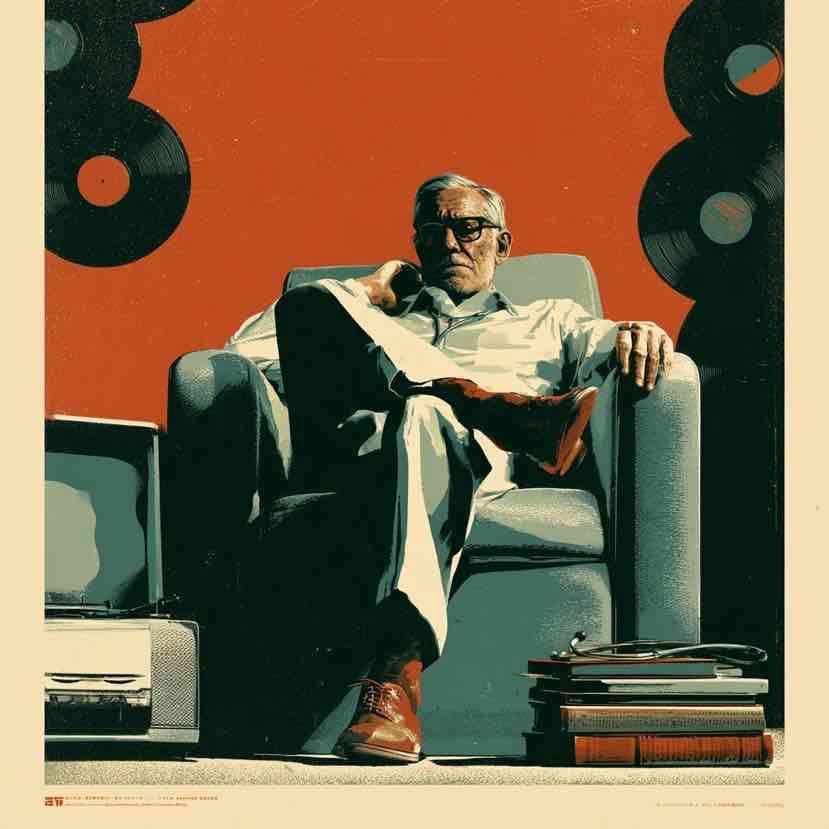
For generations, the image of the “great doctor” has been etched into our collective imagination. It’s the physician who never falters, who knows every answer, who sacrifices sleep, meals, and personal life to stand unwaveringly by the bedside. This doctor is revered, almost mythical, a figure of flawless devotion. But for those of us living the reality of modern medicine, the myth is both crushing and dangerous.
The truth is that greatness in medicine has never required perfection. It has required humanity. Yet the culture of medical training and practice has often confused the two, elevating relentless endurance as a marker of excellence while ignoring the toll it takes on the people behind the white coats. From the first day of medical school, subtle messages begin to take root: don’t show weakness, don’t admit uncertainty, don’t let anyone see you tired or afraid. Greatness, we’re told, comes from pushing past limits. The unspoken corollary is that falling short of those impossible standards makes you less than great.
This mythology has consequences. Studies consistently show staggering rates of burnout, depression, and anxiety among physicians. The pressure to embody an outdated ideal leaves little room for vulnerability or imperfection. When mistakes happen (as they inevitably do) doctors often suffer in silence, convinced that admitting to struggle will expose them as frauds. The myth tells us that the great doctor is tireless, and so we hide our fatigue. It tells us the great doctor is infallible, and so we bury our doubts. It tells us the great doctor sacrifices all, and so we neglect the very lives we’re meant to preserve, including our own.

Yet when you ask patients what makes a doctor “great,” the answers rarely match the myths. They don’t speak of doctors who never take a break or doctors who never make mistakes. They speak of doctors who listen. Doctors who explain. Doctors who care enough to sit at the bedside a few extra minutes, or who remember something small about a patient’s life beyond their diagnosis. Greatness, in the eyes of those we serve, is not about perfection. It is about presence.
Even within the profession, quiet shifts are taking place. Younger doctors are questioning the hero narrative they inherited. They are pushing back against the idea that greatness requires self-destruction. They are advocating for boundaries, for wellness, for the radical notion that doctors are human beings too. These voices often face resistance from those who came of age under harsher models, but they represent a redefinition of what it means to be excellent in medicine.
This redefinition does not mean lowering standards of care or abandoning rigor. It means acknowledging that excellence is sustainable only when doctors themselves can sustain their lives. A great doctor is not one who never rests, but one who knows when rest allows them to return sharper, kinder, and safer for their patients. A great doctor is not one who knows every answer, but one who admits when they don’t and seeks out help or collaboration. A great doctor is not one who sacrifices endlessly, but one who models balance in a way that gives future generations of physicians permission to thrive, not just survive.


The myths persist, in part, because they are deeply woven into the identity of medicine. There is romance in the idea of the tireless healer, the physician who places the needs of others above all else. But romance can be toxic when it blinds us to reality. In practice, the myths set up impossible expectations. They create a culture where doctors feel guilty for needing what every human needs: sleep, companionship, emotional support. They encourage silence around suffering, which only isolates those who are struggling. And perhaps most insidiously, they teach young doctors that to be great is to endure harm rather than demand change.
There is another vision of greatness available to us. It is quieter, less cinematic, but infinitely more sustainable. It is the vision of doctors who treat patients with respect, who acknowledge their own humanity, and who foster environments where colleagues feel safe to do the same. It is a vision where greatness is not measured in hours logged or sacrifices made, but in the quality of care delivered and the integrity with which it is given.
Reckoning with the myths will not be easy. Medicine, like all traditions, resists change. But just as science evolves, so must our culture. Clinging to outdated ideals of greatness serves no one; not the doctors burning out under their weight, not the patients who depend on their clarity and compassion, and not the future of the profession itself.
View this post on Instagram
(if you can’t see the video above, use this link)
If you strip away the mythology, the truth becomes clear: greatness in medicine has always been about connection, not perfection. It is found not in the doctor who never falters, but in the one who gets back up. Not in the doctor who sacrifices their humanity, but in the one who embraces it. Not in the myth, but in the reality.
And maybe that is the most important truth of all. To be a great doctor is not to be superhuman. It is to be human, fully and unapologetically, while using that humanity in service of others.