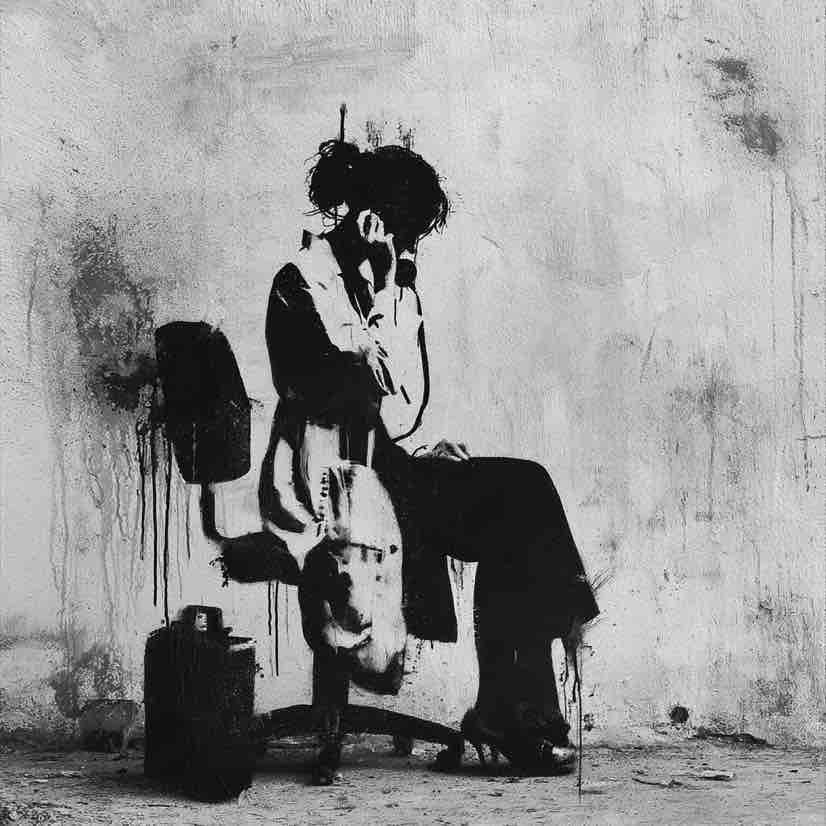
When you live in a small town, you expect a slower pace of life. Quieter streets, fewer crowds, friendly neighbors. What I didn’t expect was how that slower pace would extend to something as critical as healthcare.
I learned the hard way that living in a rural area can mean one thing above all when it comes to your health: waiting.
It started with stomach pain. Not the kind you brush off after a heavy meal, but a deep, sharp ache that kept me up at night. I scheduled an appointment with the only primary care physician in town, but the next available slot was three weeks out. I took it. It that was my only option.
By the time I saw the doctor, the pain had worsened. He suspected gallstones and recommended an ultrasound. But the local clinic didn’t have imaging equipment. I’d need to drive two hours to the nearest hospital that did. And the soonest they could schedule me was the following month.
Delays like this weren’t new to me. Rural healthcare, I’d learned, is a balancing act between patience and persistence. Specialists? We don’t have them. If you need to see one, you either travel or you wait for one of the rotating providers who visits once a month. If they cancel, due to weather, staffing, or emergency, you wait again.
When you don’t feel well, every extra day feels like a week. But in a rural setting, delays are routine. There’s a shortage of providers. Transportation isn’t always easy. Telehealth can help, but only if your internet works reliably, which in my area, it often doesn’t.


The ultrasound finally confirmed what we suspected: gallstones, and surgery was necessary. But scheduling surgery came with more complications. Our local hospital wasn’t equipped to perform it, and the surgical center two hours away had a three-month backlog. By then, I’d already had two ER visits for pain and had started limiting what I ate just to get by.
Throughout all of this, I kept thinking: if I lived in a city, this would be over by now. I’d have seen a specialist sooner. I’d have had the procedure and moved on with my life. Instead, I was stuck in a holding pattern, living with pain, fear, and frustration, while navigating a system that wasn’t built for speed or convenience.
To be clear, this isn’t about blaming rural healthcare workers. The staff here are dedicated, compassionate, and doing their best with limited resources. The problem is structural. Rural communities are underserved. Providers are overburdened. And patients like me are often left to make do or wait it out.
This experience taught me more than I ever wanted to know about being resourceful, resilient, and vocal. I started keeping detailed records, calling to check on cancellations, and asking for waitlist slots. I leaned on community networks to find rides when needed. I even learned to advocate for myself in a way I never had before. I had to.
Eventually, I had the surgery. It went well. But the road to get there was longer, and lonelier, than it should have been. And I’m not alone. There are countless others in rural towns across the country navigating similar hurdles, waiting not just for care, but for a system that sees us.
Rural doesn’t have to mean second-tier. We deserve timely, quality care just like anyone else. Until then, we do what we always do out here. Show up, speak up, and wait as best we can.