I didn’t know it would be the last time.
When I celebrated the end of the fall semester of my junior year at Boston University in 1973 at The Dugout Cafe, I wasn’t marking the end of an era. I was marking the end of finals. The Dugout was where you went when you were done. Done studying, done worrying, done pretending you were more put together than you actually were. It sat just below street level, dark and forgiving, a place that asked nothing of you except that you show up.
In the late afternoon on an uncharacteristically mild and sunny day in Beantown, I showed up a little too enthusiastically. It remains the first and only time I drank enough that my body staged a rebellion I couldn’t negotiate my way out of. Lesson learned, swiftly and memorably. I walked away with a rule I’ve kept ever since: moderation matters, and if you’re going to indulge, choose your substances wisely.
But as I read about the Dugout’s unceremonious closure in early January 2026 after 90 years of serving drinks and trading stories with the BU community (going dark while students were on winter break, no last call, no collective goodbye) I realized the more enduring lessons had very little to do with alcohol.
The Dugout was what sociologists call a “third place”: not home, not work, but a communal space where identity loosened its grip. You weren’t a major, a résumé, a future something. You were just there. The comments from alumni on BU’s LinkedIn page, spanning decades, professions, and life trajectories, tell the real story. Marriages began there. Friendships were sealed. Teams celebrated improbable victories. Parents marked milestones. People remembered not what they drank, but who they were with and how it felt to belong.
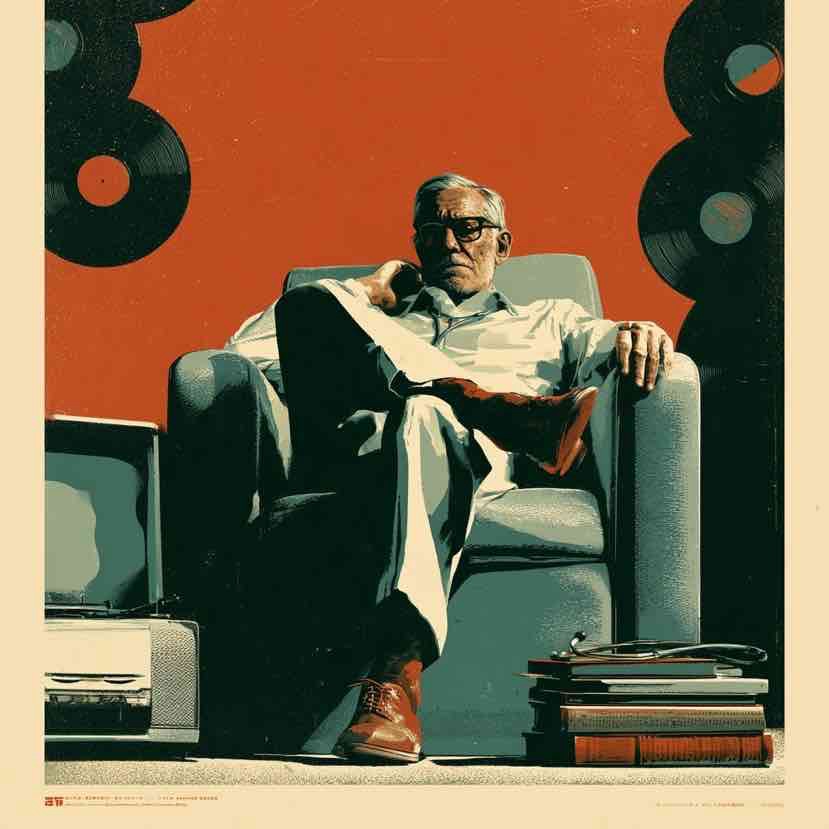
Medicine once had more Dugouts.
I don’t mean bars, necessarily. I mean spaces (literal and figurative)where physicians could exhale. Where hierarchy softened. Where the day’s mistakes could be talked through without fear of permanent record. Where you could be human without it becoming a professional concern. We’ve been closing those places for years, often without noticing, sometimes while everyone is away.
One lesson the Dugout taught me early is this: the system will not stop you when you should stop yourself.
No bartender cut me off by nightfall. No institutional safeguard intervened. Medicine works the same way. It rarely tells you when you’ve gone too far – worked too long, taken on too much, crossed from commitment into slow self-erasure. In fact, it often rewards you for it. Stay late. Cover one more shift. Push through. The applause comes early; the consequences arrive later, usually in private.
Another lesson I learned that day was: dose matters.
In pharmacology, this is obvious. In professional life, it’s strangely controversial. We talk about resilience as though it’s infinite, as though exposure to suffering doesn’t accumulate. But bodies keep score. Minds do too. The Dugout taught me, unambiguously, that excess without feedback ends badly. Medicine still struggles to accept that truth.

There’s also a lesson about memory.
I don’t look back on that night with shame. I look back with clarity. The value wasn’t the mistake; it was what I chose to carry forward, adding “MD” and “MBA” after my name despite my advisor’s poor prognosis for a career in medicine.
Medicine has an uneasy relationship with memory. We either turn experience into “war stories” or bury it altogether. What we rarely allow is honest reflection that leads to adjustment rather than punishment. The Dugout didn’t demand a narrative of redemption. It simply let the lesson stand.

And then there’s the most unsettling parallel of all: the way important things vanish without notice.
The Dugout didn’t close because it failed the people who loved it. It closed because larger forces (real estate economics, licensing structures, consolidation) made its continued existence inconvenient. Independent places struggle in systems optimized for scale. So do independent physicians. So do community hospitals. So do the informal spaces that don’t bill, don’t measure well, and don’t perform to someone’s productivity standards.
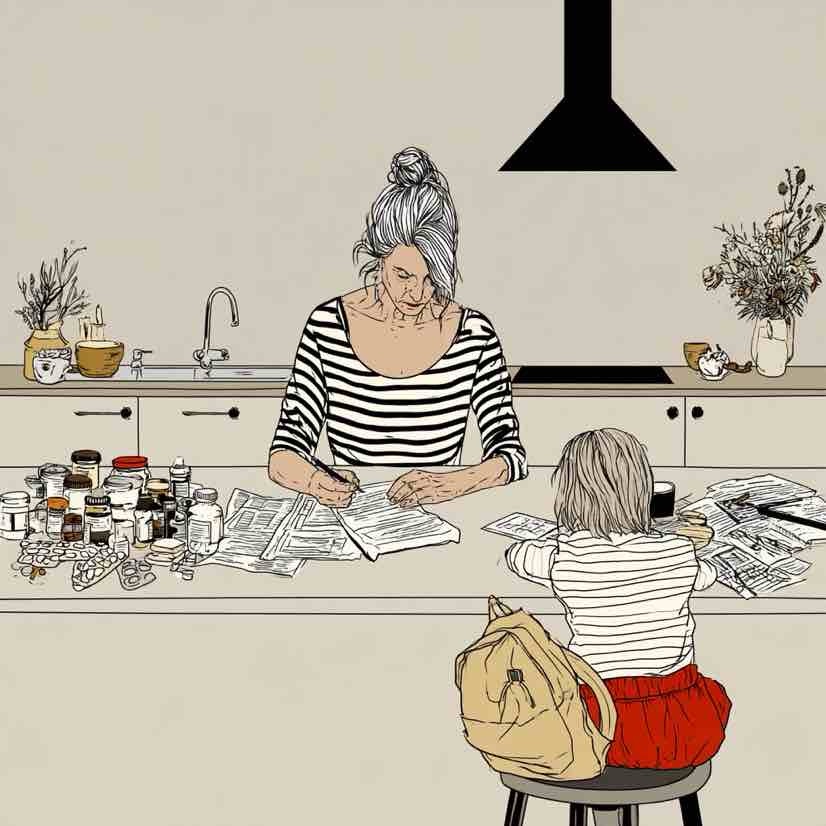
When those places disappear, distress doesn’t go away. It relocates. Into burnout. Into cynicism. Into isolation that looks, from the outside, like professionalism.
I’ve spent enough years in medicine to recognize the pattern. We notice the loss only after it’s complete, when all that remains are comments, stories, and the strange ache of realizing how much was carried by something we took for granted.


So, what does a recently-closed campus dive bar have to teach medicine?
Celebrate, but know your limits.
Commit, but don’t confuse self-destruction with dedication.
Protect community, not as a luxury, but as infrastructure.
And pay attention when the lights dim, because something essential is usually about to be removed.
I learned one lesson at the Dugout in 1973 with immediate gastrointestinal clarity. The deeper lessons took longer, and medicine is still learning them now, often while the doors are already locked, and the room everyone depended on has slipped, unnoticed, into memory.