
You Were a Person Before You Became a Physician
Medicine can become so intertwined with identity that physicians forget who they are outside it. What parts of your life belong entirely to you?

Medicine can become so intertwined with identity that physicians forget who they are outside it. What parts of your life belong entirely to you?

Physicians remain medicine’s clinical experts, yet many have lost authority over how care is delivered. What happened to physician autonomy, agency, and leverage?

Online health websites can look remarkably medical. But scientific language, polished design, and clinical imagery cannot guarantee that the product behind them is safe, authentic, or regulated.

A physician who lost his medical license reflects on his mistake, its devastating consequences, and his determination to practice again, raising difficult questions about accountability, rehabilitation, and second chances in medicine.

Pattern recognition is essential to clinical expertise, but diagnosis requires another step: testing what we think we recognize before it becomes the record.

Empathy training works best when medicine teaches doctors how to connect without absorbing patients’ distress and creates systems where genuine empathy is possible.

Affiliate marketing is reshaping healthcare content, as commissions influence which treatment options readers see, how they are ranked, and where they appear.

What happens when the words physicians need to educate patients, discuss disease, and share expertise are treated as intellectual property? A look at who gets to own medical language, and what that means for doctors trying to communicate.
A physician reflects on rejection, creativity, and why publishing personal work requires vulnerability long after medical training teaches us to hide it.

Are traditional clinical trials measuring psychotherapy correctly? A provocative look at placebo effects, therapeutic relationships, and how we study human healing.

Forty percent of physicians now do paid work outside their regular hours. Explore why side ventures are reshaping physician income, autonomy, and identity.

LinkedIn can count how many times our words appear on a screen, but can’t tell us whether someone stopped, thought differently, laughed, became angry, or carried an idea with them afterward.
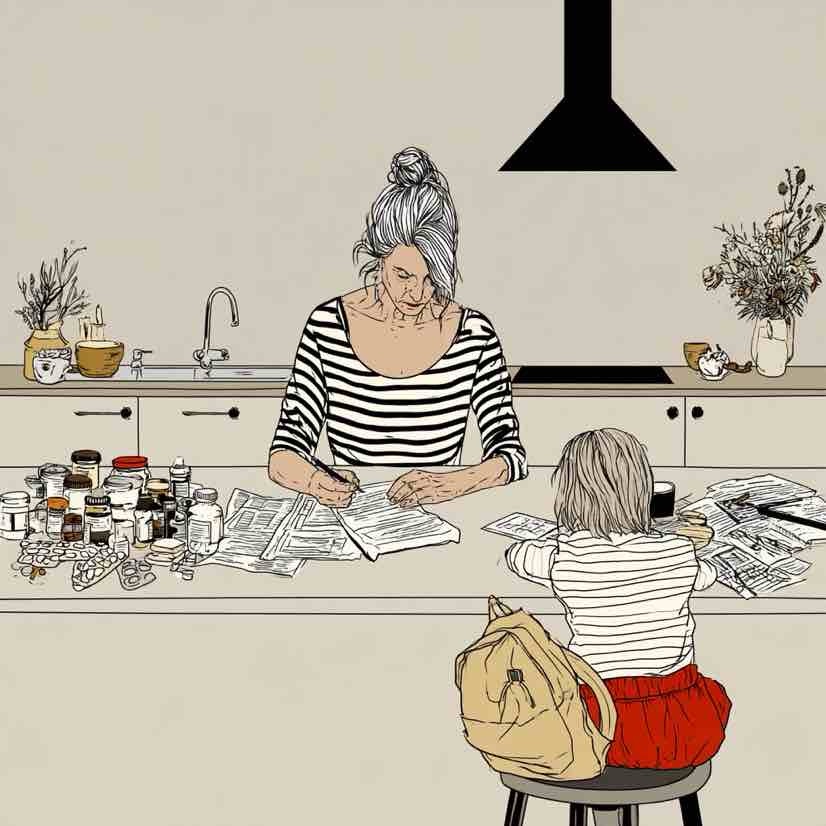
Caring for aging parents while raising a family can leave you wondering what’s wrong with you. A psychiatrist suggests asking a different question.

Dr. Lara Barbir, Psy.D. specializes in trauma-informed insights on nervous system regulation, reparenting, and emotional security to help adults, parents, and clinicians move from insight to embodied change.
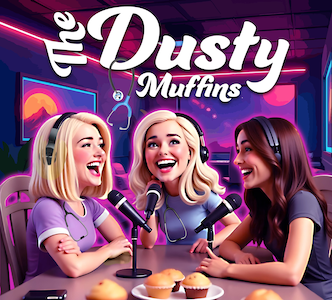
The Dusty Muffins™ podcast: three menopause specialists sharing real talk, science, and stories about perimenopause, menopause, and midlife—educating, empowering, and laughing along the way.

Owen Scott Muir, MD is the most engaging speaker in mental health.