I used to think I knew exactly how the healthcare system worked, because, well, I worked in it. For years, I was the one in the scrubs, moving efficiently from room to room, juggling vitals, meds, and family questions with a smile that said, “Yes, I’ve had lunch sometime this decade.” I considered myself pretty compassionate, well-informed, and realistic. Then I became a patient, and let me just say, the view from this side of the hospital gown is… illuminating.
To be clear, I wasn’t expecting special treatment. I wasn’t expecting a confetti parade or a monogrammed IV pole because I used to be one of “us.” But I did expect, at the very least, to feel like a sentient human being with a medical issue, not a slightly inconvenient bag of symptoms clogging up a schedule.
The first surprise? The waiting. And I don’t mean the waiting room kind of waiting. I mean the existential kind, where time stretches and folds in on itself like a bad origami project. I knew patients waited. I just didn’t realize how much of that waiting happens without updates, without context, and often, without a single person making eye contact to acknowledge you still exist.
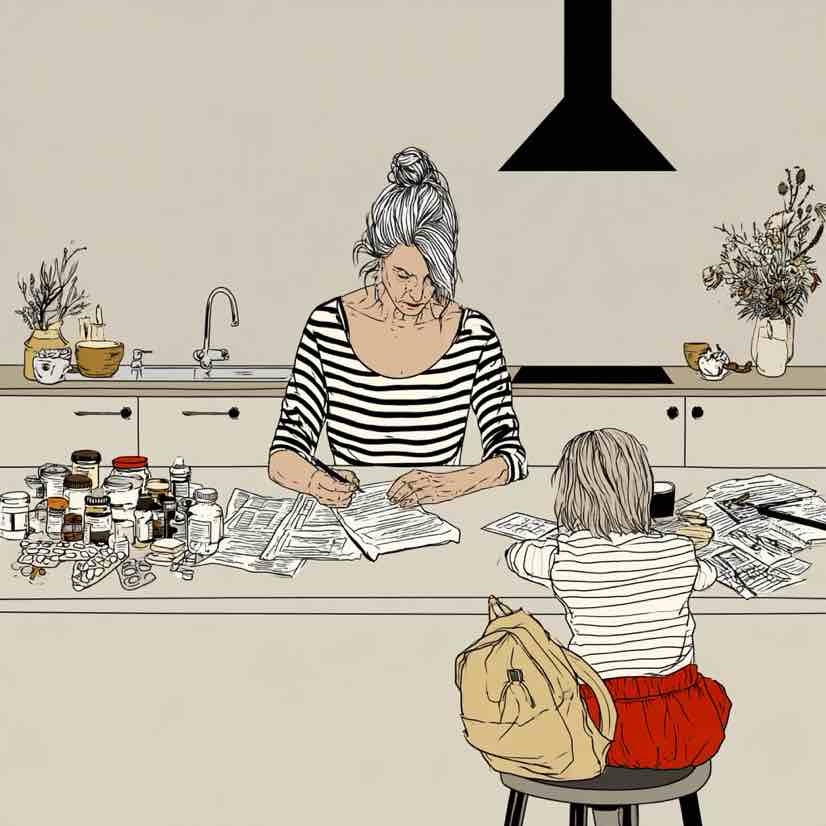
And the forms. Oh my God, the forms. I had to write the same information on three different clipboards, all before being handed a fourth clipboard because the first three didn’t include one vital checkbox. You’d think someone, somewhere, would have heard of copy and paste.
Then came the infamous “what brings you in today?” question, asked no fewer than five times by five different people. Which would be fine if they didn’t all have a chart in their hands containing the answer. As a nurse, I used to roll my eyes when patients repeated themselves unnecessarily. As a patient, I now realize it wasn’t unnecessary. It was self-preservation.
And let’s talk about communication, or the Olympic-level lack thereof. One specialist told me I’d need a procedure. Another said, “Let’s wait and see.” Neither spoke to each other. Guess who had to play mediator? Me, the patient. The one on pain meds. The one not getting paid to coordinate my own care like a human switchboard. I used to joke that healthcare was a team sport. What I didn’t realize was that patients are often expected to be the coach, the water boy, and the entire offensive line, while also being sick.
But the biggest surprise of all? How quickly I started doubting myself. I’m a nurse. I’ve seen a lot. I know my body. And still, when a provider gave me the brush-off or a vague “your labs look fine,” I caught myself wondering if I was being dramatic. If I was overreacting. If maybe I was just tired and anxious and wasting everyone’s time. That kind of internal erosion is something I never truly understood. Until it was me.
Don’t get me wrong, there were bright spots. Nurses who squeezed my hand and explained things slowly, doctors who paused to ask how I was coping, a tech who brought me a warm blanket without being asked. Those moments? They mattered. Deeply. But what surprised me is how rare they felt. When you’re on the receiving end, the absence of empathy echoes loudly.


I never thought I’d say this, but becoming a patient made me a better nurse. It gave me perspective I couldn’t get from rounds or charts or training modules. It reminded me that behind every room number is a real person – tired, scared, maybe sarcastic, maybe snarky, but still deserving of care that feels human.
So here I am, former nurse, current patient, recovering clipboard survivor, offering this little wake-up call from the other side. If you’re in healthcare and think you understand the patient experience, I dare you: try being one. Nothing will change your view faster than finding yourself in a paper gown with no answers and a six-week wait for follow-up.